
Cubes PowerPoint Diagrams
A set of cube diagrams created for Microsoft PowerPoint. These files supply the dimensional framework when teams need to communicate stacked priorities or phased processes.
When a finance director assembles the annual budget review for the CFO, every minute spent matching cube rotations and face colors across twenty slides is time taken from the numbers themselves. The templates arrive with perspective already locked and faces pre-grouped.
The consistent depth survives copy-paste into your existing deck. Update text, swap colors, and the structure holds. Select the file that aligns with your deliverable and begin editing.
 (126)
(126) Career Development Stages PowerPoint Template | 16 Fully Editable Slides | Instant DownloadID: #PD00178$18.00
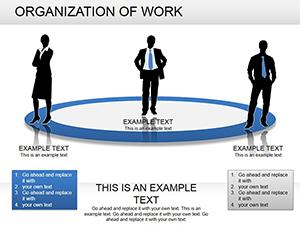 (743)
(743) Organization of Work PowerPoint Diagrams: Download PPTXID: #PD00172$25.00
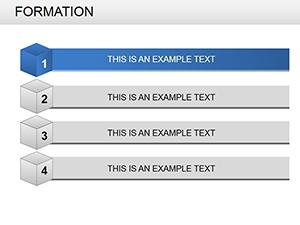 (44)
(44) Versatile Formation PowerPoint Diagram TemplatesID: #PD00165$22.00
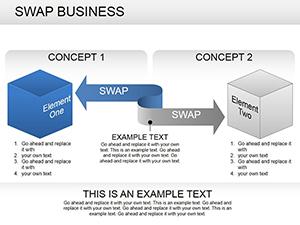 (745)
Swap Business PowerPoint Diagram TemplateID: #PD00164$24.00
(745)
Swap Business PowerPoint Diagram TemplateID: #PD00164$24.00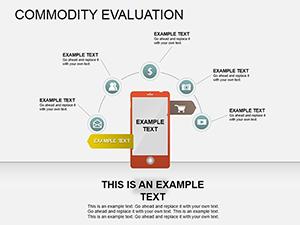 (40)
Decode Products: Commodity Evaluation PowerPoint DiagramsID: #PD00158$19.99
(40)
Decode Products: Commodity Evaluation PowerPoint DiagramsID: #PD00158$19.99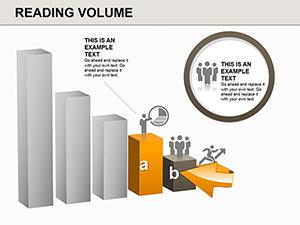 (662)
3D Volume PowerPoint Diagrams for AnalysisID: #PD00136$22.00
(662)
3D Volume PowerPoint Diagrams for AnalysisID: #PD00136$22.00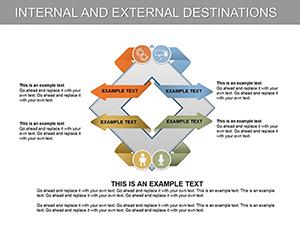 (752)
(752) Internal And External Destinations PowerPoint DiagramID: #PD00127$24.00
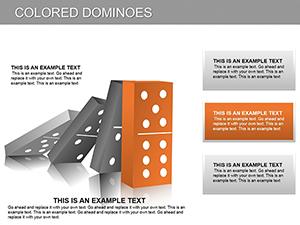 (866)
Colored Domino PowerPoint Diagrams: Transform Your PresentationsID: #PD00118$28.00
(866)
Colored Domino PowerPoint Diagrams: Transform Your PresentationsID: #PD00118$28.00 (382)
3D Cube PowerPoint Diagrams - Editable PPTX | ImagineLayoutID: #PD00117$20.00
(382)
3D Cube PowerPoint Diagrams - Editable PPTX | ImagineLayoutID: #PD00117$20.00 (621)
Block Diagram PowerPoint Template: Simplify Complex FlowsID: #PD00090$20.00
(621)
Block Diagram PowerPoint Template: Simplify Complex FlowsID: #PD00090$20.00 (907)
Steps PowerPoint diagrams - 3D, Business Models, CubesID: #PD00041$20.00
(907)
Steps PowerPoint diagrams - 3D, Business Models, CubesID: #PD00041$20.00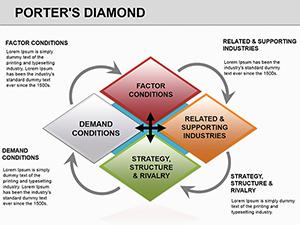 (614)
Porter's Diamond PowerPoint Diagram: Forge Competitive Edges VisuallyID: #PD00035$25.00
(614)
Porter's Diamond PowerPoint Diagram: Forge Competitive Edges VisuallyID: #PD00035$25.00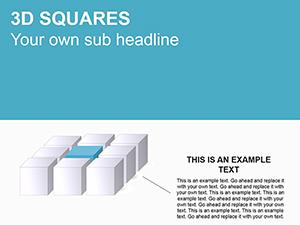 (1106)
3D Squares & Cubes PowerPoint Diagrams: Add Depth to Your VisualsID: #PD00031$26.00
(1106)
3D Squares & Cubes PowerPoint Diagrams: Add Depth to Your VisualsID: #PD00031$26.00 (738)
Progressive Business Process PowerPoint DiagramsID: #PD00024$18.00
(738)
Progressive Business Process PowerPoint DiagramsID: #PD00024$18.00 (754)
3D Blocks PowerPoint Diagrams: Downlaod PPTXID: #PD00014$20.00
(754)
3D Blocks PowerPoint Diagrams: Downlaod PPTXID: #PD00014$20.00 (693)
Marketing Plan Steps PowerPoint DiagramsID: #PD00009$18.00
(693)
Marketing Plan Steps PowerPoint DiagramsID: #PD00009$18.00
Why Cube Diagrams Make Multi-Dimensional Strategies Easier to Follow
Cube layouts turn abstract sequences into visible stacks. A project manager showing workstream dependencies stacks three cubes per phase; the audience sees overlap and order at once.
Will My PowerPoint Version Support the 3D Rotations Here
All files are built in recent PPTX format. PowerPoint 2016 and newer render the 3D effects fully. Earlier versions keep the shapes editable but lose depth; the layout remains intact for content updates.
Real-World Applications Across Industries and Roles
An operations lead at a manufacturing firm used stacked cubes to present capacity expansion options to the board. The visual clarified which plants would hit limits first; approval came in the same meeting.
A sales director mapped quarterly targets by region with colored cube towers. Leadership saw performance gaps instantly and adjusted incentives on the spot.
A consultant illustrated organizational redesign for a client merger. Side-by-side cube clusters showed before-and-after reporting lines; the executive team approved the new structure without requesting another round of slides.
A training coordinator rolled out process changes to field teams. Step cubes with icons on each face replaced bullet lists; retention scores rose because participants could picture the flow.
Need the structure now? Grab the file that fits and start building.
Configuring Cube Perspectives Before You Start Editing
Open the slide master first and confirm the 3D rotation settings match your brand angle. Any change made at master level applies to every cube instance, saving hours of per-slide adjustments later.
One Technical Detail About Morph Transitions with Cubes
PowerPoint Morph respects cube face rotations when objects share the same name across slides. Duplicate the slide, rename the cube group, then apply Morph; the rotation animates smoothly without jumping.
The Advantage of These Templates for Corporate Teams
Shapes stay fully editable with no raster images or locked groups. The collection focuses on usable structure rather than decorative extras, so revisions stay fast and consistent across departments.
Choosing the Right Diagram Category for Your Next File
If spherical layering better suits your message, check the spheres Keynote diagram templates. For chart-driven content the PowerPoint graph templates offer immediate data visuals. Teams on Apple hardware can also review the Keynote graph diagrams for native chart options.
Select the cube collection that matches your format and open the file.
What PowerPoint version do these cube diagram templates require?
PPTX format works in PowerPoint 2016 and newer for full 3D rotation and shadow support. In 2013 and earlier the cubes remain editable but depth may flatten to 2D. Update to a supported version or use the shapes as-is for content changes; the layout survives. The file contains no external links so it travels cleanly between Windows and Mac.
Are the templates licensed for commercial use and team sharing?
The license permits unlimited use inside presentations for your organization or clients. Internal team sharing is allowed under one purchase. Separate licenses are needed for consultants working across multiple companies. You may not resell or redistribute the cube files themselves.
How do I edit the 3D cube effects once downloaded?
Select the cube group, go to Format Shape, and adjust 3D rotation, bevel, or material. Changes update live. Name the group consistently across slides if you plan to use Morph so the transition recognizes the object.
What file format will I receive and how is it opened?
You receive a standard PPTX file. Open it in any recent PowerPoint version on Windows or Mac. All elements are native shapes so no missing fonts or broken links occur.
Can I use Morph transitions with these cube diagrams?
Yes. Duplicate the slide, keep the same object names on the cubes, then apply Morph. The rotation and assembly animation happens automatically without manual path drawing.


