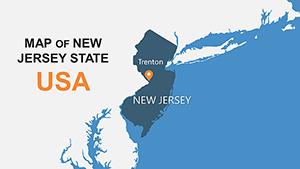
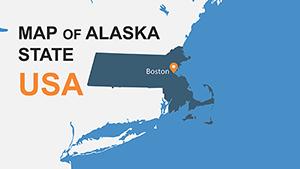
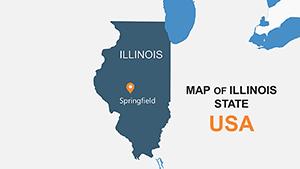
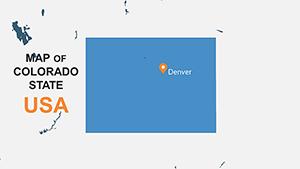
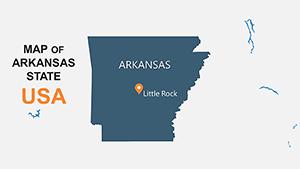
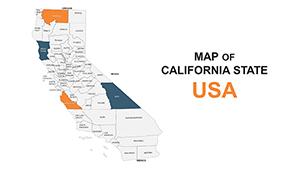
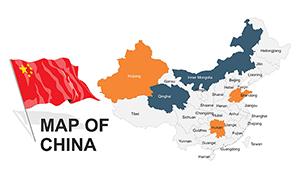
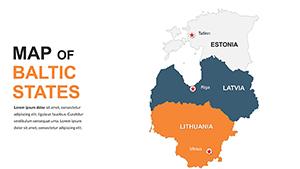
Transform your presentations with our extensive collection of geographical map templates for PowerPoint and Google Slides. Whether you're visualizing regional sales data, illustrating global expansion strategies, or teaching geography concepts, these professionally designed templates provide the perfect foundation for compelling visual storytelling.
Our geographical map templates feature detailed country outlines, continent views, and regional maps that are 100% editable. Each template includes customizable colors, labels, and markers, allowing you to highlight specific regions, add data points, and create presentations that resonate with your audience. Designed for business analysts, educators, marketers, and researchers, these templates save hours of design time while delivering professional results.
Explore our complete collection of geographical map templates and discover designs optimized for both 16:9 and 4:3 aspect ratios, compatible with Microsoft PowerPoint and Google Slides.
Geographical maps are essential visual tools that transform complex location-based data into easily digestible information. When presenting market analysis, distribution networks, demographic trends, or educational content, geographical map templates provide immediate context that text and numbers alone cannot achieve. These templates enable presenters to highlight specific countries, regions, or territories, making it simple to communicate expansion plans, sales territories, or global operations at a glance.
For business professionals, geographical maps are invaluable for presenting market penetration strategies, visualizing customer demographics across regions, and illustrating supply chain routes. Marketing teams use these templates to showcase campaign reach, while sales departments rely on them to display territory coverage and performance metrics. The ability to color-code regions, add custom labels, and insert data markers transforms static maps into dynamic storytelling tools that capture audience attention and facilitate better decision-making.
Our geographical map templates stand apart from generic images because every element is fully editable. Unlike static map images that require complex graphic design skills to modify, these templates are built with individual vector shapes for each country, region, and territory. This means you can easily separate, drag, recolor, and label any geographic area to match your specific presentation needs. The vector-based design ensures that maps remain crisp and clear even when projected on large screens or printed at high resolution.
Templates include pre-designed color schemes that follow modern design principles, location pins and markers for highlighting specific areas, and editable legends for explaining data categories. Many designs feature multiple layout options, from minimalist outlines perfect for clean corporate presentations to detailed political boundary maps ideal for educational content. The compatibility with both PowerPoint and Google Slides ensures seamless integration into your existing workflow, regardless of your preferred presentation platform.
Business Strategy & Market Analysis: Geographical templates excel in boardroom presentations where strategic decisions depend on location-based insights. Companies use these maps to visualize market share across territories, identify expansion opportunities, and present regional performance comparisons. Investment firms rely on geographical presentations to illustrate portfolio diversification, while real estate companies showcase property locations and development areas. The ability to overlay data directly onto maps creates compelling visual narratives that drive strategic discussions.
Education & Academic Research: Teachers and professors leverage geographical map templates to make lessons more engaging and memorable. Geography classes benefit from interactive presentations that allow students to explore continents, countries, and physical features. History educators use maps to illustrate territorial changes, migration patterns, and historical events with geographical context. Environmental science presentations rely on these templates to display climate zones, biodiversity hotspots, and conservation areas. Research presentations at academic conferences use geographical maps to show study locations, data collection sites, and regional findings.
Logistics & Supply Chain Management: Distribution networks, shipping routes, and warehouse locations become instantly clear when visualized on geographical maps. Supply chain managers present transportation networks, delivery zones, and fulfillment center coverage using customized map templates. The ability to add route lines, facility markers, and regional labels helps teams understand complex logistics operations and identify optimization opportunities.
Tourism & Travel Industry: Travel agencies, tour operators, and hospitality businesses use geographical templates to showcase destinations, create itinerary presentations, and illustrate regional travel packages. Hotels and resorts highlight their locations relative to attractions and transportation hubs. Travel bloggers and content creators design compelling presentations featuring travel routes and destination guides.
To maximize the impact of geographical map templates, focus on clarity and purposeful design choices. Start by determining which regions are most relevant to your message and emphasize those areas through color, shading, or borders. Use a limited color palette—typically three to five colors—to avoid visual clutter and ensure key regions stand out. When adding data labels, position them carefully to maintain readability, especially when working with smaller territories or detailed regional maps.
Consider your audience's geographical knowledge when deciding on label detail. Business presentations for international audiences might benefit from country labels, while regional presentations can focus on states, provinces, or cities. Add legends or keys to explain color coding, especially when presenting statistical data through map heat maps or choropleth visualizations. For presentations involving multiple maps, maintain consistent styling across slides to create visual coherence and professional polish.
Creating accurate geographical maps from scratch demands significant time investment and specialized design skills. Drawing precise country borders, maintaining accurate proportions, and ensuring geographical accuracy requires expert knowledge and sophisticated software. Even experienced designers often spend hours perfecting map elements that professional templates provide instantly. The time saved by using pre-built templates—often reducing a multi-hour task to just minutes of customization—represents substantial productivity gains, especially for teams creating frequent presentations.

Beyond time savings, professional templates ensure geographical accuracy and visual consistency that DIY approaches struggle to match. Templates are created by designers who reference authoritative geographical data sources and maintain proper scale relationships. This accuracy is crucial for business presentations where credibility depends on precision. Templates also eliminate common amateur mistakes like distorted proportions, missing territories, or outdated political boundaries that can undermine presentation professionalism.
Modern presentations increasingly combine geographical maps with data visualization elements to create comprehensive analytical dashboards. Many templates support integration with charts, graphs, and infographic elements, allowing presenters to show both location and performance metrics simultaneously. For example, a sales presentation might display a geographical map highlighting regional territories alongside bar charts showing revenue by region. This integrated approach provides multiple perspectives on the same data, reinforcing key messages through visual redundancy.
When working with data-rich presentations, consider using animation features to reveal information progressively. Start with a full map overview, then zoom into specific regions while displaying relevant statistics. This storytelling approach maintains audience engagement and helps complex information feel more manageable. PowerPoint's animation capabilities work seamlessly with map templates, allowing you to create sophisticated presentations without video editing expertise.
All geographical map templates in our collection are optimized for modern presentation software. Templates work flawlessly in Microsoft PowerPoint 2016 and newer versions, including Office 365 cloud-based versions. Google Slides compatibility ensures teams using cloud-based workflows can collaborate effectively without format conversion issues. Most templates include both standard (4:3) and widescreen (16:9) aspect ratios, providing flexibility for different presentation environments from traditional projectors to modern HD displays.
Vector-based graphics ensure scalability without quality loss, whether you're presenting on mobile devices or large conference screens. Templates typically include editable text placeholders, customizable color schemes, and organized layer structures that make navigation intuitive even for users with basic PowerPoint skills. File sizes remain manageable despite detailed graphics, ensuring smooth performance and easy sharing via email or cloud storage platforms.
Ready to elevate your presentations with professional geographical visualizations? Browse our complete collection of geographical map templates and find designs that match your specific needs. Each template is carefully crafted to deliver immediate visual impact while remaining simple to customize. Whether you're preparing a quarterly business review, educational lecture, or strategic planning session, the right geographical map template transforms your message from ordinary to extraordinary.
Download your preferred templates today and experience the difference that professional geographical visualization makes in audience engagement and message retention. With full editability, modern designs, and proven effectiveness across industries, these templates provide the foundation for presentations that inform, persuade, and inspire.
Yes, all templates feature vector-based designs where each country, state, or region is an individual editable shape. You can separate any area, change its color, resize it, or add custom labels without affecting other map elements. This flexibility allows precise customization for highlighting specific territories relevant to your presentation.
Absolutely. The collection includes designs ranging from clean, corporate-style maps perfect for business strategy meetings to detailed educational templates ideal for classroom instruction. Templates can be customized to match any presentation context, whether you're presenting market analysis to executives or teaching geography to students.
The collection encompasses comprehensive coverage from global world maps to specific regional and country maps. You'll find templates showing all continents, individual continent maps, country-specific designs, and even templates focusing on particular regions like Southeast Asia, Western Europe, or North America. This variety ensures you can match map scope to your presentation needs.
Unlike static images, these templates offer complete editability without graphic design software or specialized skills. You can modify colors, add text, insert markers, and customize every aspect directly within PowerPoint or Google Slides. Templates also maintain sharp quality at any size, while static images often become pixelated when enlarged. The time savings and professional results make templates the superior choice for serious presentations.
Yes, vector-based graphics ensure these templates look crisp and professional at any size. Whether presenting on a laptop screen, conference room projector, or large auditorium display, the maps maintain clarity and detail. Templates are optimized for both standard and widescreen formats, providing flexibility for various presentation environments.
Use color coding with a clear legend to distinguish different regions or data categories. Select distinct colors that provide strong contrast for easy differentiation. Consider using different shades of the same color family for related regions, or complementary colors for comparing distinct categories. Add labels or markers to draw attention to specific areas, and maintain consistent color meanings across all slides for visual coherence.