
Internet - E-Commerce Brochures
In a digital-first world, it's easy to forget the power of tangible marketing materials. Yet for e-commerce brands looking to stand out at trade shows, include inserts in shipments, or create memorable direct mail campaigns, a well-designed brochure remains incredibly effective.
Our e-commerce brochure templates help online retailers create stunning print and digital marketing materials without hiring a designer. Whether you're launching a new product line, promoting a seasonal sale, or introducing your brand to wholesale buyers, these templates give you the professional edge your online business deserves.
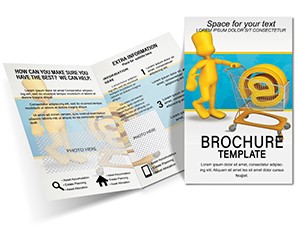 (622)
(622) E-Commerce Shopping Cart Brochure Template: Cart to Conversion MasteryID: #BT01691$14.00
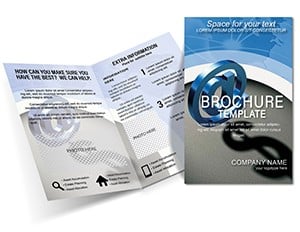 (580)
(580) Paid Email Newsletter Brochure Templates: Connect and Convert SeamlesslyID: #BT01611$14.00
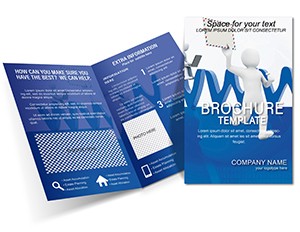 (166)
(166) Service Email Brochure Templates: Deliver Essentials with ClarityID: #BT01610$14.00
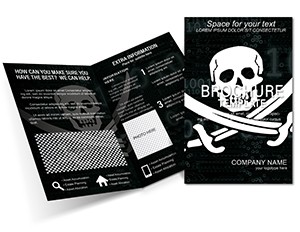 (607)
Information Brochure Template with Stunning DesignsID: #BT01595$15.00
(607)
Information Brochure Template with Stunning DesignsID: #BT01595$15.00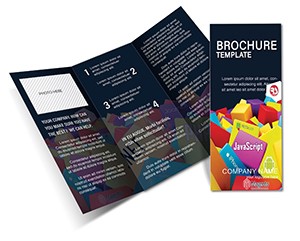 (721)
(721) Web Programming Brochure Template: Showcase Your Code with StyleID: #BT01584$15.00
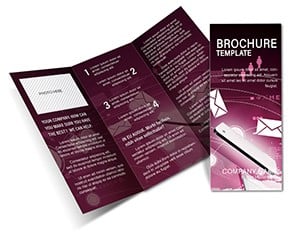 (166)
Versatile Brochure Template: Weave Messages That ResonateID: #BT01581$15.00
(166)
Versatile Brochure Template: Weave Messages That ResonateID: #BT01581$15.00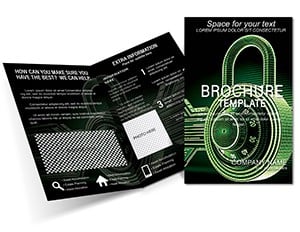 (285)
Secure E-Commerce Brochure TemplateID: #BT01576$15.00
(285)
Secure E-Commerce Brochure TemplateID: #BT01576$15.00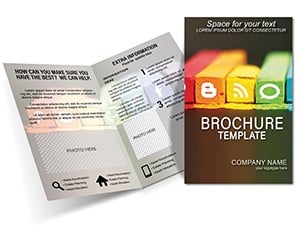 (320)
Social Networks Brochure Template: Weave Connections That LastID: #BT01573$15.00
(320)
Social Networks Brochure Template: Weave Connections That LastID: #BT01573$15.00 (438)
Web SEO Promotion Brochure Template - DownloadID: #BT01572$15.00
(438)
Web SEO Promotion Brochure Template - DownloadID: #BT01572$15.00 (819)
Web Analytic Brochures templatesID: #BT01567$15.00
(819)
Web Analytic Brochures templatesID: #BT01567$15.00 (64)
Dynamic Online Shop Brochure TemplateID: #BT01566$14.00
(64)
Dynamic Online Shop Brochure TemplateID: #BT01566$14.00 (1187)
Delivery Messages Brochure Template: Communicate Shipments with Clarity and CharmID: #BT01563$15.00
(1187)
Delivery Messages Brochure Template: Communicate Shipments with Clarity and CharmID: #BT01563$15.00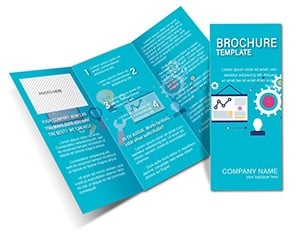 (976)
Web Development Brochure Template: Code Your Success StoryID: #BT01555$18.00
(976)
Web Development Brochure Template: Code Your Success StoryID: #BT01555$18.00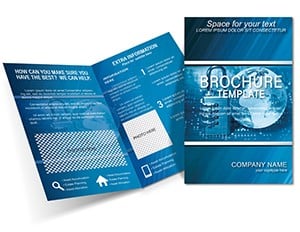 (475)
E-Commerce Brochure TemplateID: #BT01539$18.00
(475)
E-Commerce Brochure TemplateID: #BT01539$18.00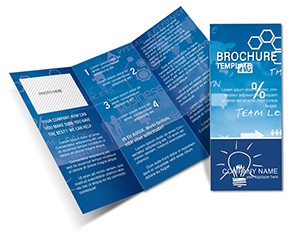 (867)
Network Marketing Brochure TemplatesID: #BT01531$12.00
(867)
Network Marketing Brochure TemplatesID: #BT01531$12.00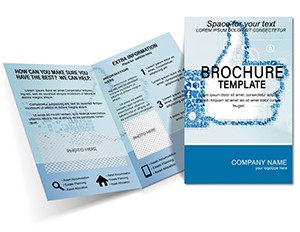 (172)
Twitter Brochure Template: Tweet Your Story to LifeID: #BT01517$15.00
(172)
Twitter Brochure Template: Tweet Your Story to LifeID: #BT01517$15.00 (747)
Internet Speed Brochure Template - 3 Formats | ImagineLayoutID: #BT01516$15.00
(747)
Internet Speed Brochure Template - 3 Formats | ImagineLayoutID: #BT01516$15.00 (1186)
ISP Service Brochure Design TemplateID: #BT01515$15.00
(1186)
ISP Service Brochure Design TemplateID: #BT01515$15.00 (530)
Cloud Networks IT Brochure Templates for Tech TeamsID: #BT01492$15.00
(530)
Cloud Networks IT Brochure Templates for Tech TeamsID: #BT01492$15.00 (37)
Cloud Internet Brochure Template: Connecting Ideas to the CloudID: #BT01489$15.00
(37)
Cloud Internet Brochure Template: Connecting Ideas to the CloudID: #BT01489$15.00 (807)
Online Social Websites Brochure Template: Fuel Your Digital ConnectionsID: #BT01488$15.00
(807)
Online Social Websites Brochure Template: Fuel Your Digital ConnectionsID: #BT01488$15.00 (905)
Stock Market Brochure - Download Design TemplateID: #BT01466$14.00
(905)
Stock Market Brochure - Download Design TemplateID: #BT01466$14.00 (1049)
Puzzle Email Brochure Template: Piece Together Compelling CampaignsID: #BT01342$18.00
(1049)
Puzzle Email Brochure Template: Piece Together Compelling CampaignsID: #BT01342$18.00 (383)
System Information Law Brochure templateID: #BT01341$17.00
(383)
System Information Law Brochure templateID: #BT01341$17.00 (398)
Access Cloud Tri-Fold Brochure DesignID: #BT01335$18.00
(398)
Access Cloud Tri-Fold Brochure DesignID: #BT01335$18.00 (171)
Cloud System Half-Fold Brochure TemplateID: #BT01333$18.00
(171)
Cloud System Half-Fold Brochure TemplateID: #BT01333$18.00 (384)
IT - Cloud Brochure templateID: #BT01332$18.00
(384)
IT - Cloud Brochure templateID: #BT01332$18.00 (982)
Cloud Storage Half-Fold Brochure TemplateID: #BT01331$18.00
(982)
Cloud Storage Half-Fold Brochure TemplateID: #BT01331$18.00 (887)
Captivate with Cloud: Brochure Template Design DownloadID: #BT01330$18.00
(887)
Captivate with Cloud: Brochure Template Design DownloadID: #BT01330$18.00 (790)
Shopping Brochure Template for E-CommerceID: #BT01274$18.00
(790)
Shopping Brochure Template for E-CommerceID: #BT01274$18.00 (958)
Web Portal Brochure Template: Tech-Forward OutreachID: #BT01271$18.00
(958)
Web Portal Brochure Template: Tech-Forward OutreachID: #BT01271$18.00 (2)
Social Media Brochure Design Template: Amplify Your VoiceID: #BT01270$18.00
(2)
Social Media Brochure Design Template: Amplify Your VoiceID: #BT01270$18.00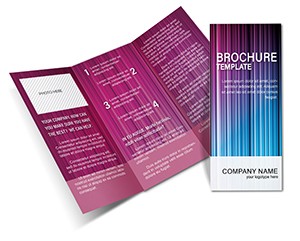 (25)
Rainbow Fiction Background: Tri-Fold BrochureID: #BT01267$18.00
(25)
Rainbow Fiction Background: Tri-Fold BrochureID: #BT01267$18.00
Why E-Commerce Brands Still Need Print Brochures
Running an online store doesn't mean abandoning offline marketing. In fact, physical brochures create touchpoints that digital ads simply can't replicate. When a customer receives a beautifully designed brochure in their package, it elevates the unboxing experience and encourages repeat purchases. When you hand a catalog to a potential wholesale partner, you create a lasting impression that an email attachment never could.
Brochures also bridge online and offline experiences. Include QR codes linking to product pages, discount codes exclusive to brochure recipients, or social media handles to connect print materials back to your digital ecosystem. This omnichannel approach strengthens brand recognition and creates multiple paths for customer engagement.
How Online Retailers Use Brochures to Drive Sales
Product Catalogs for New Collections
Fashion retailers, home decor shops, and specialty product stores use brochures to showcase seasonal collections or new arrivals. High-quality product photography combined with compelling descriptions helps customers visualize items in their lives, driving both online orders and showroom visits for brands with physical locations.
Package Inserts That Boost Retention
Smart e-commerce businesses include promotional brochures in every shipment. These might feature complementary products, upcoming sales, referral program details, or your brand story. This strategy turns one-time buyers into loyal customers by keeping your brand top-of-mind and encouraging additional purchases.
Trade Show Materials for B2B Opportunities
If you're seeking wholesale accounts or retail partnerships, professional brochures are essential for trade shows and buyer meetings. A well-designed catalog showcasing your product range, pricing tiers, and brand values helps buyers make decisions and positions your e-commerce brand as a serious player worthy of shelf space.
Direct Mail Campaigns for Customer Acquisition
While digital advertising costs continue rising, some e-commerce brands find success with targeted direct mail. Sending brochures to carefully selected neighborhoods or demographics can capture attention in less crowded mailboxes, especially for local businesses or premium products where higher customer acquisition costs make sense.
Brand Story Books for Premium Products
Luxury and artisan e-commerce brands use brochures to tell their story - the craftsmanship behind products, sustainability practices, founder journeys, or brand values. These narrative-focused brochures create emotional connections that justify premium pricing and build brand loyalty beyond transactional relationships.
Advantages of Templates Over Custom Design
Hiring a graphic designer for brochure creation can cost hundreds or thousands of dollars and take weeks to complete. For e-commerce businesses testing marketing channels or operating on lean budgets, this investment often isn't practical.
Professional templates offer compelling advantages:
- Immediate availability - Download and start customizing within minutes instead of waiting weeks for designer availability
- Significantly lower costs - Invest a fraction of custom design fees while still achieving professional results
- Full creative control - Make changes yourself anytime without coordinating with external designers or paying revision fees
- Proven layouts - Templates use design principles that work, with balanced compositions and visual hierarchy tested across many applications
- Multiple format options - Access tri-fold brochures, bi-fold layouts, multi-page catalogs, and single-sheet flyers from one template source
- Print-ready specifications - Templates include proper bleeds, margins, and resolution settings so your printer can produce quality results without reformatting
For e-commerce brands running experiments or creating marketing materials frequently, templates provide the flexibility to iterate quickly based on what resonates with customers.
Design Tips for Effective E-Commerce Brochures
Lead with Compelling Product Photography
Your brochure's visual impact depends heavily on product images. Use high-resolution photos with consistent lighting and backgrounds. Consider lifestyle shots showing products in use rather than just isolated product images. If your template includes image placeholders, match those dimensions to avoid awkward cropping that cuts off important product details.
Maintain Brand Consistency Across Channels
Your brochure should feel like a natural extension of your website and social media presence. Use the same color palette, fonts, and tone of voice customers recognize from your online store. This consistency builds trust and makes your brand more memorable across every touchpoint.
Include Clear Calls-to-Action
Don't assume readers will know what to do next. Include specific instructions: Visit our website and use code BROCHURE20 for 20% off. Scan this QR code to shop the collection. Call us to discuss wholesale opportunities. Clear CTAs with tangible incentives dramatically improve conversion rates from print materials.
Balance Information and White Space
Resist the temptation to cram every inch of your brochure with content. White space (empty areas) gives designs room to breathe and makes information easier to process. If your template feels too sparse, add content strategically. If it feels cluttered, remove less essential elements rather than shrinking everything to fit.
Optimize for Your Distribution Method
How you'll distribute brochures should influence design decisions. Package inserts should be compact and focus on next-purchase incentives. Trade show materials need bold headlines visible from a distance. Direct mail pieces should grab attention immediately with strong covers since recipients will decide whether to read or discard in seconds.
Common Brochure Design Mistakes to Avoid
Even with great templates, certain missteps can undermine your brochure's effectiveness:
- Low-resolution images that appear pixelated or blurry in print - Always use images at least 300 DPI for print quality
- Outdated pricing or promotional details - Double-check that all offers, prices, and product information are current before printing
- Fonts too small to read comfortably - Body text should be at least 10-11 points; remember that printed materials are often read at arm's length
- Missing contact information - Always include your website URL, email, and phone number so interested customers can reach you easily
- Inconsistent spacing and alignment - Use template guides to keep elements properly aligned for a polished, professional appearance
- Color schemes that don't print as expected - Colors often look different on screen versus print; request a proof from your printer for important projects
Turning Brochures into Multi-Channel Marketing Assets
Smart e-commerce marketers repurpose brochure content across multiple channels to maximize their investment. Once you've created a brochure design, consider these extensions:
Convert brochure layouts into social media carousel posts, breaking multi-page designs into individual slides. Transform product descriptions from your brochure into email campaign content or website category descriptions. Create PDF versions for digital distribution via email, download links on your website, or attachments in wholesale inquiry responses.
This content reuse ensures consistent messaging while getting more value from the time invested in creating your brochure materials.
Ready to create marketing materials that showcase your products beautifully? Explore our e-commerce brochure template collection and find designs that bring your online store into the physical world.
Frequently Asked Questions
What software do I need to edit these e-commerce brochure templates?
Most brochure templates are available in formats compatible with Adobe InDesign, Microsoft Publisher, or PowerPoint. Some also work with free alternatives like Canva or Google Slides. Check the template specifications to ensure compatibility with software you already have or are willing to use.
Can I use these brochures for both print and digital distribution?
Yes. Most templates work well for both applications. For print, ensure you export at high resolution with proper bleeds and color profiles your printer requires. For digital use, export as PDF and optimize file size for email or web download. Some designers create slightly different versions optimized for each channel.
How do I add QR codes linking to my product pages?
Generate QR codes using free online tools like QR Code Generator or your e-commerce platform's built-in features. Export the QR code as a high-resolution image and insert it into your brochure template like any other graphic element. Test the QR code after printing to ensure it scans correctly.
What's the typical cost to print brochures after customizing a template?
Printing costs vary based on quantity, paper quality, and finishing options. For standard tri-fold brochures, expect approximately $0.50-$2.00 per piece for quantities of 100-500. Larger runs significantly reduce per-unit costs. Online printing services like Vistaprint, Moo, or local print shops can provide specific quotes based on your specifications.
Should I create different brochures for different customer segments?
If you serve distinct customer groups with different needs, targeted brochures often perform better than one-size-fits-all materials. For example, create separate brochures for retail customers versus wholesale buyers, or different versions highlighting specific product categories. Templates make creating multiple variations affordable and efficient.
How often should I update my e-commerce brochures?
Update brochures whenever you have significant product changes, seasonal collections, or major promotions. Many e-commerce brands create new versions quarterly to align with seasonal marketing campaigns. For evergreen brand brochures, annual updates are typically sufficient unless your product line or branding changes substantially.


