
Tables PowerPoint Shapes
Formerly known as tables powerpoint shape templates - this collection now covers PowerPoint shape templates that replace standard grids with flexible geometric containers.
A finance director preparing the quarterly budget review for the executive committee has limited time before the meeting. These grouped shapes hold numbers, icons, and callouts in fixed proportions so the layout survives edits and duplications.
The collection emphasizes visual hierarchy that guides attention without decoration. An operations manager tracking supply chain KPIs or a product lead mapping feature priorities can insert data immediately. Open the file that fits your content type and begin.
 (1081)
 Portugal Maps Keynote Template: Chart Courses with EleganceID: #PS00048$8.00
 (660)
Headline PowerPoint Shapes: Craft Slides That Command the RoomID: #PS00047$10.00
(660)
Headline PowerPoint Shapes: Craft Slides That Command the RoomID: #PS00047$10.00 (235)
(235) High-Impact PowerPoint Shapes Templates for Captivating PresentationsID: #PS00030$13.00
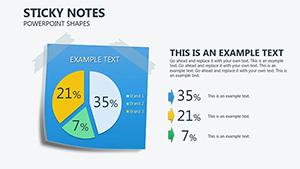 (554)
(554) Download Sticky Notes PowerPoint Shapes Template - Google SlidesID: #PS00028$10.00
 (7)
Merry Christmas PowerPoint Shapes: Customizable Holiday MagicID: #PS00027$18.00
(7)
Merry Christmas PowerPoint Shapes: Customizable Holiday MagicID: #PS00027$18.00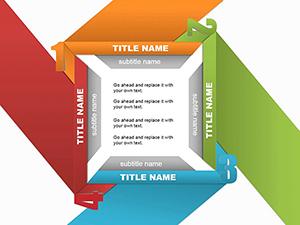 (463)
Four Title PowerPoint Shapes TemplateID: #PS00019$8.00
(463)
Four Title PowerPoint Shapes TemplateID: #PS00019$8.00 (468)
Fun Happy Birthday PowerPoint ShapesID: #PS00004$19.00
(468)
Fun Happy Birthday PowerPoint ShapesID: #PS00004$19.00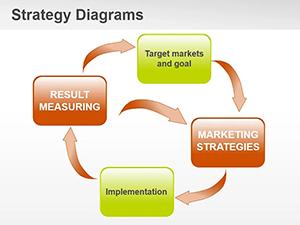 (69)
Internet Strategies PowerPoint Shapes: Weaving Digital Narratives That ConvertID: #PS00005$15.00
(69)
Internet Strategies PowerPoint Shapes: Weaving Digital Narratives That ConvertID: #PS00005$15.00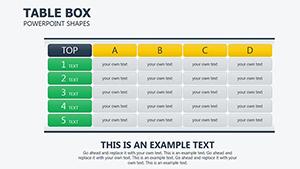 (923)
Table Box PowerPoint Shapes: Structuring Data into Visual SymphoniesID: #PS00003$24.00
(923)
Table Box PowerPoint Shapes: Structuring Data into Visual SymphoniesID: #PS00003$24.00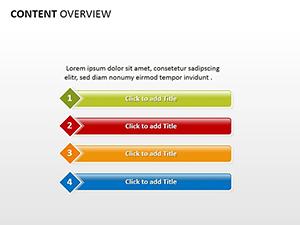 (335)
Stehlin Headlines PowerPoint Shapes: Transform Ideas into Visual MasterpiecesID: #PS00002$16.00
(335)
Stehlin Headlines PowerPoint Shapes: Transform Ideas into Visual MasterpiecesID: #PS00002$16.00
Why Shape Containers Outperform Built-in Tables for Data Layouts
PowerPoint`s native table tool forces uniform cells that break when content lengths vary. Shape templates let you create irregular containers - hexagons for process steps, rounded frames for highlights - while keeping every element grouped and aligned on the slide master. This approach preserves proportions when you scale the deck from 10 to 60 slides.
Four Real Scenarios Where These Layouts Delivered Under Deadline
A consultant at a strategy firm needed to show competitor positioning to a client executive team the next morning. Instead of rebuilding tables from scratch, the shape containers already positioned key metrics and supporting bullets; the deck was ready in 90 minutes.
An HR director rolling out new policy changes to 200 employees used the grouped frames to display before-and-after comparisons. The consistent visual language across slides reduced questions during the town hall.
A sales operations manager updating pipeline status for the weekly leadership sync dropped regional numbers into pre-sized shapes; column widths and font sizes stayed identical when the file was shared department-wide.
A marketing lead presented campaign performance data to the board. The geometric containers separated paid, organic, and referral channels without the misalignment that occurs when pasting standard tables into new themes.
What You Actually Lose When Building These Layouts Manually
You lose the 45 minutes spent deciding font stacks, the hour aligning 20 column widths across duplicate slides, and the rework when the client asks to swap one metric and everything shifts. The decisions already solved here - shape grouping order, color palette inheritance, text box padding - free the mind for the argument itself.
Slide Master Configuration That Keeps Shape Groups Consistent
Open the slide master view and lock the base shape groups into placeholder positions. Any new slide inherits the same container sizes and alignment. When exporting to PDF the groups render as single objects, preventing the fragmentation that happens with ungrouped shapes on older PowerPoint versions.
One Technical Detail Most Users Miss with Grouped Shapes
In PPTX files, select all shapes in a container and use the “Group†command before applying animations. Ungrouped elements can shift during morph transitions; grouped ones move as one unit and keep file size under control when embedding custom fonts.
Why This Collection Fits Corporate Storytelling
These templates avoid decorative padding and focus on editing freedom. Every shape remains fully selectable and recolorable in PowerPoint 2013 and newer. The intent is corporate usability - clean enough for board rooms, flexible enough for last-minute data swaps.
If your next project needs icon-integrated flows instead of pure shapes, explore our PowerPoint diagram templates. For time-based narratives check the Keynote timeline templates. When you move to print collateral, the business card templates use similar geometric principles.
If the current data set matches any of the container styles here, open the file and start editing.
FAQ
Are these PowerPoint shape templates compatible with Google Slides?
Yes, the PPTX files import with full editability for shape groups and colors. Complex groupings may require a quick regroup after upload, and slide master placeholders transfer correctly in current versions. Test the animation behavior if you use morph transitions because Google Slides handles grouped objects slightly differently than desktop PowerPoint. Embedded fonts remain intact on export to PDF.
Do the templates include editable slide masters?
Every file ships with a dedicated slide master where the base shape containers are already placed and locked. You can duplicate the layout, change colors globally, and the groupings stay intact across the entire deck. This saves the step of recreating the structure on every new slide.
Can I share these files with my team?
The license permits unlimited internal use and sharing within your organization. Each team member can open and edit the PPTX files on their own machines. The grouped shapes remain fully editable without any password protection or locked elements.
What PowerPoint version do I need?
The templates are tested and fully functional from PowerPoint 2013 onward. Newer versions benefit from improved shape grouping and morph animation support. On Mac the behavior is identical to Windows when using the desktop application.
Do the shapes maintain quality on PDF export?
Yes, because the shapes are native vector objects in the PPTX format they render crisply at any zoom level in PDF. Grouped containers export as single objects, preventing the line breaks or shifts that occur with ungrouped elements.


