
Illustrations PowerPoint Shapes
Formerly known as illustrations powerpoint shape templates - this collection now covers PowerPoint Shape Templates. These modern editable vector graphics help build flowcharts diagrams and decorative elements without starting from scratch.
Reach for them when a marketing manager needs custom icons for a campaign deck or an educator creates process visuals for students. The shapes stay crisp and linked so you focus on the story.
This collection focuses on vector editability across PowerPoint and Google Slides. Pick the icon set that matches your topic and begin customizing.
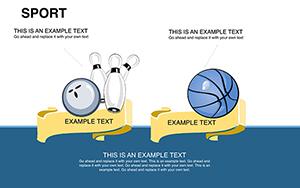 (475)
(475) Sport PowerPoint Shapes Template: Custom Icons & GraphicsID: #PS00033$21.00
 (1145)
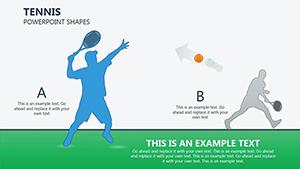
Pro Tennis PowerPoint Shapes: Editable Google SlidesID: #PS00031$19.00
(1145)
Pro Tennis PowerPoint Shapes: Editable Google SlidesID: #PS00031$19.00 (925)
Christmas Toys PowerPoint Shapes: Festive FunID: #PS00046$10.00
(925)
Christmas Toys PowerPoint Shapes: Festive FunID: #PS00046$10.00 (1002)
 Ignite Holiday Spark with Creative Christmas PowerPoint ShapesID: #PS00045$10.00
 (961)
Chime into Charisma: Christmas Bells PowerPoint ShapesID: #PS00044$8.00
(961)
Chime into Charisma: Christmas Bells PowerPoint ShapesID: #PS00044$8.00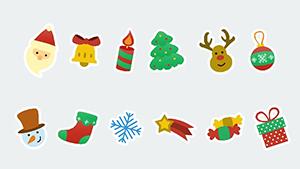 (467)
(467) Deck the Slides: Christmas Decoration PowerPoint ShapesID: #PS00043$10.00
 (858)
Warm Your Way: Beautiful Christmas Interior PowerPoint ShapesID: #PS00042$10.00
(858)
Warm Your Way: Beautiful Christmas Interior PowerPoint ShapesID: #PS00042$10.00 (873)
Creative Christmas Traditions PowerPoint ShapesID: #PS00041$8.00
(873)
Creative Christmas Traditions PowerPoint ShapesID: #PS00041$8.00 (768)
(768) Happy Holiday PowerPoint Shapes TemplateID: #PS00040$12.00
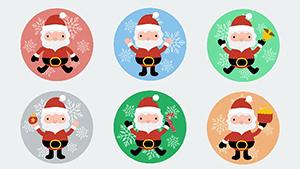 (589)
Festive Santa Claus Stickers for PowerPointID: #PS00039$8.00
(589)
Festive Santa Claus Stickers for PowerPointID: #PS00039$8.00 (324)
Christmas Wishes Shapes for Engaging SlidesID: #PS00038$14.00
(324)
Christmas Wishes Shapes for Engaging SlidesID: #PS00038$14.00 (344)
Holiday Shapes Template for PowerPoint MagicID: #PS00037$10.00
(344)
Holiday Shapes Template for PowerPoint MagicID: #PS00037$10.00 (464)
Christmas Badges Shapes for Festive DecksID: #PS00036$12.00
(464)
Christmas Badges Shapes for Festive DecksID: #PS00036$12.00 (259)
Christmas Numbers PowerPoint Shapes: Editable Holiday TemplateID: #PS00035$8.00
(259)
Christmas Numbers PowerPoint Shapes: Editable Holiday TemplateID: #PS00035$8.00 (676)
Christmas Tree PowerPoint Shapes: Holiday DesignsID: #PS00034$5.00
(676)
Christmas Tree PowerPoint Shapes: Holiday DesignsID: #PS00034$5.00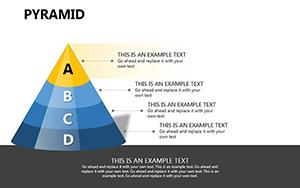 (1086)
3D Pyramid PowerPoint Shapes: Building Layers of Architectural PersuasionID: #PS00029$21.00
(1086)
3D Pyramid PowerPoint Shapes: Building Layers of Architectural PersuasionID: #PS00029$21.00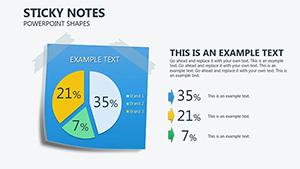 (554)
Download Sticky Notes PowerPoint Shapes Template - Google SlidesID: #PS00028$10.00
(554)
Download Sticky Notes PowerPoint Shapes Template - Google SlidesID: #PS00028$10.00 (7)
Merry Christmas PowerPoint Shapes: Customizable Holiday MagicID: #PS00027$18.00
(7)
Merry Christmas PowerPoint Shapes: Customizable Holiday MagicID: #PS00027$18.00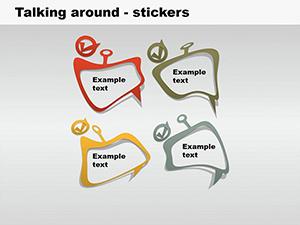 (1103)
Stickers PowerPoint Shapes and Google Slides Templates | Download NowID: #PS00021$6.00
(1103)
Stickers PowerPoint Shapes and Google Slides Templates | Download NowID: #PS00021$6.00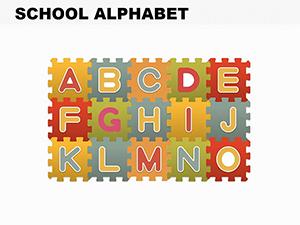 (296)
Alphabet Shapes: Igniting Creativity in PowerPoint PresentationsID: #PS00020$10.00
(296)
Alphabet Shapes: Igniting Creativity in PowerPoint PresentationsID: #PS00020$10.00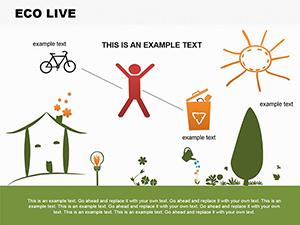 (689)
Eco Sustainable Shapes - Instant Download | ImagineLayoutID: #PS00018$12.00
(689)
Eco Sustainable Shapes - Instant Download | ImagineLayoutID: #PS00018$12.00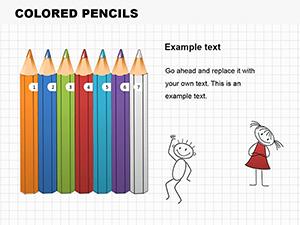 (819)
Creative Pencil Shapes: PowerPoint TemplateID: #PS00017$13.00
(819)
Creative Pencil Shapes: PowerPoint TemplateID: #PS00017$13.00 (130)
Medicine Pills PowerPoint Shapes | Download High-Quality Presentation TemplatesID: #PS00015$20.00
(130)
Medicine Pills PowerPoint Shapes | Download High-Quality Presentation TemplatesID: #PS00015$20.00 (189)
Medication Tablets PowerPoint Shapes TemplateID: #PS00014$20.00
(189)
Medication Tablets PowerPoint Shapes TemplateID: #PS00014$20.00 (671)
Grow Plants PowerPoint Shapes for Engaging PresentationsID: #PS00013$22.00
(671)
Grow Plants PowerPoint Shapes for Engaging PresentationsID: #PS00013$22.00 (444)
Hexagon PowerPoint ShapesID: #PS00012$24.00
(444)
Hexagon PowerPoint ShapesID: #PS00012$24.00 (468)
Fun Happy Birthday PowerPoint ShapesID: #PS00004$19.00
(468)
Fun Happy Birthday PowerPoint ShapesID: #PS00004$19.00 (179)
Prostate Health Shapes - Fully Editable | ImagineLayoutID: #PS00008$14.00
(179)
Prostate Health Shapes - Fully Editable | ImagineLayoutID: #PS00008$14.00
How editable shapes accelerate visual storytelling in PowerPoint
Pre-designed icons and connectors let you assemble flowcharts in minutes instead of drawing each line manually.
The time cost of creating illustrations from scratch
You spend hours aligning shapes matching stroke weights and fixing proportions across twenty slides. Those choices delay the core message.
Real scenarios where these shape templates changed the presentation outcome
The sports marketing lead built campaign visuals with custom icons. Manual graphics broke on resize until the template kept every element live.
A holiday campaign manager assembled festive graphics for the client review. Shapes scaled without distortion.
The interior design presenter used Christmas interior illustrations. Connectors followed objects during layout changes.
An education team created math visuals with editable icons. Google Slides compatibility let remote collaborators edit simultaneously.
Workflow advantages for recurring visual decks
Master slide updates refresh every icon set across large decks. Teams share one file for brand-consistent marketing materials.
Non-obvious editing techniques for shapes
Group icons before applying theme colors to keep stroke consistency when scaling for different slide layouts.
Technical tip for PowerPoint and Google Slides
PPTX and Google Slides both preserve vector quality on PDF export. Test the file on the target platform to confirm no rasterization.
Why these shapes prioritize corporate usability
The collection avoids decorative overload and focuses on editing freedom. Every graphic is native vector so changes never lose resolution.
Choosing the right template collection for your presentation needs
If your deck requires data tables alongside icons see our PowerPoint chart templates. For team structure the organizational keynote diagrams templates pair well. When the topic involves legal themes the justice law PowerPoint templates provide thematic support.
The collection is ready for your next visual build.
What PowerPoint versions are these shape templates compatible with?
The templates work in PowerPoint 2016 and newer plus Google Slides. Vector elements remain fully editable across platforms. Test font rendering if custom type is used.
Do the files support Google Slides editing?
Yes native compatibility lets you open edit and present directly in Google Slides. Shapes stay vector crisp during real-time collaboration.
Can I share the templates with my creative team?
Yes for internal company use. Multiple users can edit copies for projects but external redistribution requires separate agreement.
How do I keep quality when resizing shapes?
All elements are vector so scaling never loses sharpness. Group before resizing to keep relative proportions.
Are the illustrations fully editable in both PowerPoint and Google Slides?
Yes native shapes allow recoloring resizing and regrouping without quality loss on either platform.


