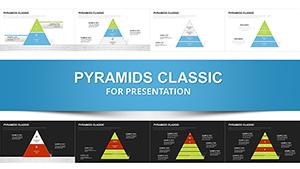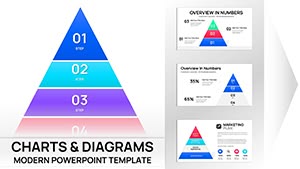
Layered Pyramid Chart Template PowerPoint - 36 Slides







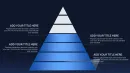
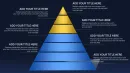


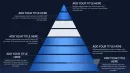


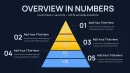



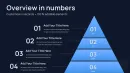

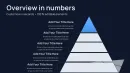
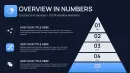
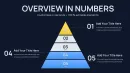

Type: PowerPoint Charts template
Category: Pyramids
Sources Available: .pptx
Product ID: PC01093
Template incl.: 36 editable slides
Why Executive Teams Choose Layered Pyramid Charts for Strategic Communication
When you need to show stakeholders how operational excellence builds from foundational capabilities up through leadership vision, flat bullet points fail every time. Layered pyramid charts transform abstract hierarchies into concrete visual architecture that executives grasp in seconds during board presentations. This template delivers 36 professionally designed pyramid variations specifically engineered for organizational frameworks, capability maturity models, needs hierarchies, risk prioritization matrices, and multi-tier strategy frameworks that consultants present weekly to C-suite decision-makers.
Corporate strategists face a recurring challenge: illustrating how foundational investments in systems, processes, and culture create the structural integrity that supports ambitious growth targets. Generic PowerPoint shapes force you into hour-long design sessions just to align triangular segments properly. This template eliminates that friction entirely. Each slide provides mathematically precise layered structures with professional gradient fills, strategic color coding, and text placeholder positioning optimized for readability during high-stakes investor meetings and quarterly business reviews.
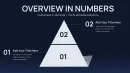
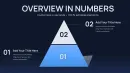
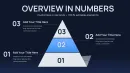
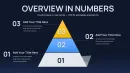
The collection includes pyramid configurations ranging from three-layer foundational models through seven-tier complexity frameworks, plus specialized variations for capability assessments, organizational hierarchies, customer segmentation models, and resource allocation priorities. Every element is fully editable as native PowerPoint vector shapes, meaning you customize colors, adjust layer proportions, modify text sizing, and restructure entire pyramids without graphic design expertise. Compatible with PowerPoint 2016 and newer, Keynote, and Google Slides for cross-platform presentation delivery.
Complete Slide Architecture Designed for Strategic Frameworks
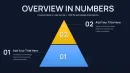
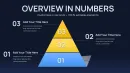
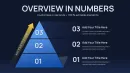
This 36-slide collection provides comprehensive pyramid chart variations for every strategic communication scenario. The template begins with three classic three-layer pyramids ideal for fundamental frameworks like mission-vision-values hierarchies, basic organizational structures, or simple prioritization models. Each layer accommodates both header text and detailed descriptive content, allowing you to communicate strategic rationale alongside structural elements.
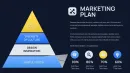
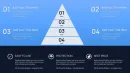
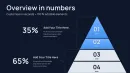
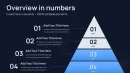
Four-layer pyramid slides address mid-complexity frameworks such as capability maturity models, market segmentation tiers, technology stack architectures, and talent development progressions. These layouts feature optimized vertical spacing that prevents text crowding while maintaining visual impact. Color schemes employ professional gradient transitions that guide audience attention from foundational layers upward through apex objectives.
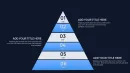
Five-layer configurations support sophisticated frameworks including Maslow-inspired needs hierarchies, risk assessment matrices with escalating severity levels, quality management system tiers, and multi-stage product development roadmaps. Text placeholder sizing automatically adjusts to accommodate varying content lengths across layers, maintaining balanced visual weight throughout the pyramid structure.
The template extends to six and seven-layer pyramids for comprehensive organizational models, extended capability frameworks, detailed customer journey stages, and complex value chain visualizations. These advanced configurations include subtle transparency effects and strategic spacing adjustments that preserve readability despite increased complexity. Side-by-side comparison layouts enable you to contrast current state versus target state frameworks or benchmark internal capabilities against industry standards.
Specialized slides provide horizontal pyramid orientations for process flows, inverted pyramid structures for risk mitigation priorities, and segmented variations with independent color coding per layer. Multiple design approaches ensure you select the precise visual treatment that resonates with your specific audience whether presenting to analytical finance teams preferring clean minimalist designs or creative marketing groups responding to bold contemporary styling.
How Strategy Consultants Deploy Layered Pyramids Across Client Engagements
Management consultants building transformation roadmaps for enterprise clients rely on layered pyramids to communicate how operational foundations must stabilize before organizations can execute growth initiatives. When presenting three-year strategic plans to executive leadership teams, consultants use five-layer pyramids to map foundational infrastructure investments in year one, process optimization initiatives in year two, capability building in year three, innovation programs in year four, and market expansion objectives at the apex. This visual architecture makes multi-million dollar investment sequences immediately comprehensible to CFOs evaluating resource allocation decisions.
Technology consulting firms use pyramid charts during digital transformation assessments to illustrate technology maturity across infrastructure, application, data, and innovation layers. When conducting capability gap analysis for clients, consultants populate each pyramid layer with current state assessments, then create side-by-side comparisons against target state requirements. This visual approach transforms hundred-page assessment reports into actionable priority frameworks that IT steering committees approve in single meetings.
Organizational development consultants structure leadership competency models using layered pyramids where foundational layers represent core competencies required across all roles, middle tiers show management capabilities, and apex sections highlight executive strategic thinking requirements. During talent review sessions with HR leadership, these frameworks provide consistent evaluation criteria and development pathway visibility that supports succession planning discussions.
Financial advisors presenting portfolio construction strategies use pyramid charts to illustrate risk-based asset allocation where foundational layers represent conservative fixed-income holdings, middle tiers show balanced equity positions, and apex sections contain opportunistic alternative investments. This visual metaphor helps wealth management clients understand how portfolio stability depends on proper foundation sizing before pursuing aggressive growth allocations.
Integration Points Within Corporate Presentation Workflows
Strategic planning teams building annual business review decks insert layered pyramid slides into the strategic priorities section immediately after market analysis and before detailed initiative descriptions. The pyramid provides executives with conceptual architecture showing how tactical initiatives stack into strategic themes that support overarching corporate objectives. This structural overview helps board members understand initiative interdependencies before diving into individual project details during three-hour planning sessions.
Product managers developing roadmap presentations use pyramid frameworks to prioritize feature development where foundational layers represent platform stability requirements, middle tiers show core functionality enhancements, and apex sections highlight innovative differentiators. During quarterly planning meetings with engineering leaders, these pyramids communicate why infrastructure investments must precede flashy feature development that marketing teams constantly advocate for.
Sales enablement teams building competitive positioning presentations employ pyramid structures to visualize solution capabilities where lower layers represent table-stakes functionality that competitors also provide, middle sections show differentiating features, and apex elements highlight unique innovations. This framework helps sales representatives articulate value propositions during enterprise procurement evaluations where buyers systematically compare vendor capabilities across standardized criteria.
The template works seamlessly within existing corporate design systems. All shapes are native PowerPoint vectors supporting theme color application, meaning you apply corporate color schemes globally across all 36 slides in seconds. Text formatting follows corporate font standards automatically when you paste content from existing documents. Export options support high-resolution PDF generation for board books, video presentation recording for asynchronous executive consumption, and direct upload to SharePoint presentation libraries for enterprise-wide accessibility.
Customization requires no design expertise. Click any pyramid layer to adjust fill colors from the format panel. Drag corner handles to resize entire pyramid structures while maintaining proportional layer relationships. Modify text directly within placeholder boxes using standard PowerPoint text editing. Duplicate slides to create presentation-specific variations without affecting master template files. This editing simplicity means junior analysts can customize sophisticated pyramid frameworks without consuming senior consultant time on design adjustments.
Real-World Applications Across Professional Disciplines
Healthcare administrators presenting quality improvement initiatives to hospital boards use layered pyramids to show how patient safety protocols form the foundation supporting clinical effectiveness programs that enable patient experience enhancements culminating in reputation leadership. During medical staff meetings, these frameworks communicate why incident reporting systems must function flawlessly before implementing patient satisfaction surveys that measure service perception.
University administrators building academic strategic plans employ pyramid structures to illustrate how research infrastructure investments, faculty recruitment, curriculum innovation, and institutional reputation build progressively toward top-tier academic standing. When presenting to faculty senates and governing boards, these frameworks make abstract strategic themes tangible by connecting specific initiatives to hierarchical positioning objectives.
Manufacturing operations leaders presenting continuous improvement roadmaps use pyramids to map how equipment reliability programs create the foundation for quality systems that enable efficiency improvements culminating in innovation capacity. During plant management reviews, these visuals help cross-functional teams understand why maintenance excellence must precede lean manufacturing initiatives that require consistent machine uptime.
Marketing directors presenting brand strategy to executive committees use pyramid frameworks to illustrate how brand awareness investments at the foundation support consideration-building initiatives that enable preference development culminating in loyalty programs at the apex. This structure helps CFOs understand why brand building requires sustained multi-year investment before generating measurable revenue impact that finance teams can track quarterly.
Human resources leaders presenting talent strategy use pyramids to show how competitive compensation and benefits form the foundation for engagement programs that support development initiatives enabling succession readiness at leadership levels. During talent review sessions with business unit heads, these frameworks communicate comprehensive talent management approaches beyond simple headcount planning that operational leaders typically focus on during budget discussions.
Strategic Framework Comparison Analysis
| Presentation Approach | Design Time Required | Audience Comprehension | Customization Flexibility | Professional Impact |
|---|---|---|---|---|
| Layered Pyramid Template | 5-10 minutes to customize content | Immediate hierarchical understanding | Complete control over all elements | Executive-quality visual architecture |
| Default PowerPoint Shapes | 45-60 minutes manual construction | Inconsistent visual quality distracts | Limited to basic shape manipulation | Amateur appearance undermines message |
| Hand-Drawn Whiteboard | Varies by artistic skill | Informal setting only | Not suitable for formal presentations | Appropriate for workshop brainstorming |
| Text Bullet Lists | Minimal time investment | Requires extensive verbal explanation | Simple text formatting only | Fails to communicate structural relationships |
| Custom Graphic Designer | Multiple days with revision cycles | High-quality visual execution | Expensive modification costs | Excellent but cost-prohibitive for routine use |
Industry-Specific Strategic Communication Scenarios
Financial Services: Investment firms present portfolio construction methodologies to institutional clients using pyramids to illustrate how cash reserves and fixed income create stability foundations for equity allocations that support alternative investment opportunities. Risk committees review pyramids showing how operational risk controls form the base for credit risk management that enables market risk taking at carefully managed levels. Wealth advisors use pyramids to communicate estate planning hierarchies from basic wills through trust structures culminating in sophisticated tax optimization strategies.
Technology Sector: Software companies present product roadmaps to investor relations teams using pyramids to show how platform stability investments enable feature velocity that supports market expansion into adjacent segments. Security teams present defense-in-depth strategies where perimeter controls form foundations for application security that enables data protection culminating in threat intelligence capabilities. IT architecture teams use pyramids to communicate technology stack evolution from infrastructure modernization through application refactoring to data platform transformation.
Professional Services: Law firms present practice development strategies using pyramids where foundational client service excellence supports matter complexity growth that enables thought leadership positioning culminating in market recognition. Accounting firms structure audit methodology presentations showing how control testing forms foundations for substantive testing that supports audit opinions. Engineering consultancies illustrate project delivery excellence frameworks from resource management foundations through quality assurance to client satisfaction leadership.
Education Institutions: Universities present strategic enrollment management using pyramids to show how student recruitment funnels from awareness building through application conversion to matriculation optimization culminating in persistence and graduation success. Academic departments structure curriculum design showing how foundational general education supports major coursework that enables specialization culminating in capstone experiences. Research offices present funding strategy pyramids from seed grant foundations through federal funding to industry partnership pinnacles.
Healthcare Organizations: Hospital systems present quality improvement roadmaps using pyramids to illustrate how safety culture foundations support clinical protocol adherence that enables outcome optimization culminating in national recognition achievements. Population health teams structure care coordination models from primary care foundations through specialty integration to complex care management at apex levels. Medical device companies present clinical evidence pyramids from preclinical studies through pilot trials to pivotal studies demonstrating regulatory pathway progression.
Design Customization for Corporate Brand Alignment
All pyramid elements leverage PowerPoint's theme color system, meaning corporate brand colors apply consistently across all 36 slides when you update the presentation theme. This eliminates manual color adjustments slide-by-slide and ensures brand compliance automatically. Gradient fills utilize accent color variations from your corporate palette, creating sophisticated visual depth while maintaining brand standards that corporate communications teams enforce.
Text hierarchies follow corporate typography standards automatically when you set default fonts in PowerPoint. Title placeholders, layer headers, and descriptive text boxes all inherit proper typeface, sizing, and weight specifications without manual formatting. This streamlined approach means presentations maintain visual consistency with other corporate materials including executive briefing books, board reports, and investor presentations that brand guardians scrutinize.
Layout variations accommodate different corporate design philosophies. Conservative financial services firms prefer clean white backgrounds with subtle color differentiation between layers. Technology companies favor bold contemporary designs with vibrant gradients and strong contrast. Healthcare organizations typically select calming blue-green palettes with professional but approachable styling. The template provides sufficient design range to satisfy diverse corporate aesthetic requirements without requiring external design resources. Download this template to transform complex strategic frameworks into compelling visual narratives that drive stakeholder alignment.
Frequently Asked Questions
Can I modify the number of layers in each pyramid to match my specific framework requirements?
Yes, every pyramid is built from individual PowerPoint shapes that you can add, remove, or resize independently. To reduce layers, simply select and delete unwanted segments. To add layers, duplicate an existing segment, reposition it appropriately, and adjust colors to maintain visual flow. All shapes use standard PowerPoint vector formatting, meaning you can manipulate them like any native object without quality loss. The template includes pyramids ranging from three to seven layers, giving you multiple starting points depending on your framework complexity before any customization.
How do these pyramid charts perform during virtual presentations over video conferencing platforms?
Layered pyramid designs excel in virtual environments because their bold geometric structure and strategic color differentiation remain clearly visible even when compressed through video streaming. Unlike dense data tables or complex flowcharts that become illegible during screen sharing, pyramid hierarchies communicate effectively at reduced resolutions typical of Zoom, Teams, or WebEx sessions. The template's clean layouts with ample white space prevent visual clutter that causes audience disengagement during remote presentations. Text sizing is optimized for screen readability rather than print, ensuring remote participants can read layer descriptions without straining.
Can I integrate data from Excel spreadsheets directly into the pyramid layers?
While the pyramid shapes themselves are static vector graphics rather than data-linked charts, you can absolutely reference Excel data within the text placeholders. Many consultants maintain framework data in Excel workbooks, then copy specific metrics, percentages, or qualitative assessments into pyramid layer text boxes during presentation preparation. For dynamic data visualization, consider using the pyramid as the conceptual framework overview slide, then following with traditional data charts that provide detailed metrics supporting each layer. This combination approach gives audiences both strategic architecture understanding and quantitative validation.
What presentation scenarios work best with layered pyramid structures versus other chart types?
Layered pyramids excel when communicating hierarchical relationships, progressive development stages, prioritization frameworks, or foundational dependencies where lower elements must exist before upper elements can function. Use them for organizational structures, capability maturity models, needs hierarchies, risk matrices, or strategic roadmaps. Avoid pyramids for time-series trends, comparison across peers, or part-to-whole relationships where bar charts, line graphs, or pie charts better serve the analytical purpose. The key question is whether your content involves vertical building or sequential dependency relationships that pyramid architecture naturally represents.
How do I maintain visual consistency when using these pyramids alongside other chart types in comprehensive presentations?
The template follows PowerPoint theme color conventions, meaning pyramid fills automatically coordinate with any other charts in your presentation that also respect theme colors. Apply your corporate theme once, and all slides including pyramids, bar charts, line graphs, and text slides adopt consistent color palettes. For presentations combining multiple chart types, establish a color coding system where specific colors always represent particular concepts. For example, use blue consistently for current state and green for target state across pyramids, process flows, and comparison tables. This systematic approach creates visual coherence that helps audiences process complex multi-chart presentations during extended strategy reviews or board meetings.
Are these pyramid templates suitable for academic conference presentations or primarily designed for corporate audiences?
The professional design quality works equally well for academic conferences, faculty presentations, grant proposal defenses, and educational symposiums. Researchers use layered pyramids to communicate theoretical frameworks, research methodology stages, literature review hierarchies, or pedagogical model structures. The clean geometric approach conveys scholarly rigor while remaining accessible to interdisciplinary audiences unfamiliar with specialized field conventions. Many academics prefer these templates over default PowerPoint options specifically because the sophisticated design elevates presentation professionalism without appearing overly corporate or sales-oriented, striking the right balance for academic contexts where substance and credibility matter most.